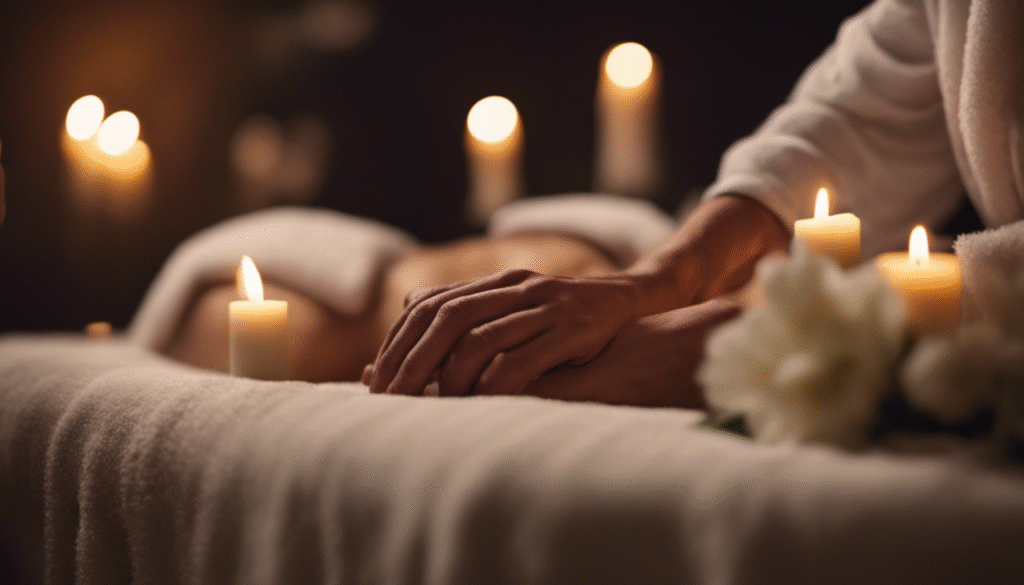
Spa treatments are more than indulgence — when chosen and delivered correctly, they’re a practical part of a balanced wellness routine. Whether you’re a busy traveler seeking recovery after long flights or a local professional managing daily stress, targeted spa therapies can support physical recovery, mental clarity, and skin health. In this article we explore seven concrete benefits of spa treatments, explain how they work, and offer actionable tips for getting the most from every session. References to HAMMAM Spa Bali – By The Saharah Mirage illustrate how destination and technique can elevate results without making unverifiable health promises.
1. Reduced stress and improved mental clarity
Spa therapies such as Swedish massage, aromatherapy, and traditional hammam rituals are effective at downregulating the nervous system. By lowering cortisol spikes and promoting parasympathetic activity, these treatments help reduce anxiety and sharpen focus afterward.
How to use it: Book a short massage or aromatherapy session before a big meeting or after travel. Facilities like HAMMAM Spa Bali – By The Saharah Mirage often add soothing rituals (lavender, eucalyptus) that enhance relaxation.
2. Better sleep quality
Many people report deeper, longer sleep after massage or body treatments that relieve muscle tension and calm the mind. Treatments that combine heat (steam rooms, warm towels) and manual therapy shorten the time it takes to fall asleep and increase sleep continuity.
Actionable tip: Schedule spa treatments 2–3 hours before bedtime to allow your body to cool down and enter restorative sleep more easily.
3. Relief from muscle tension and chronic aches
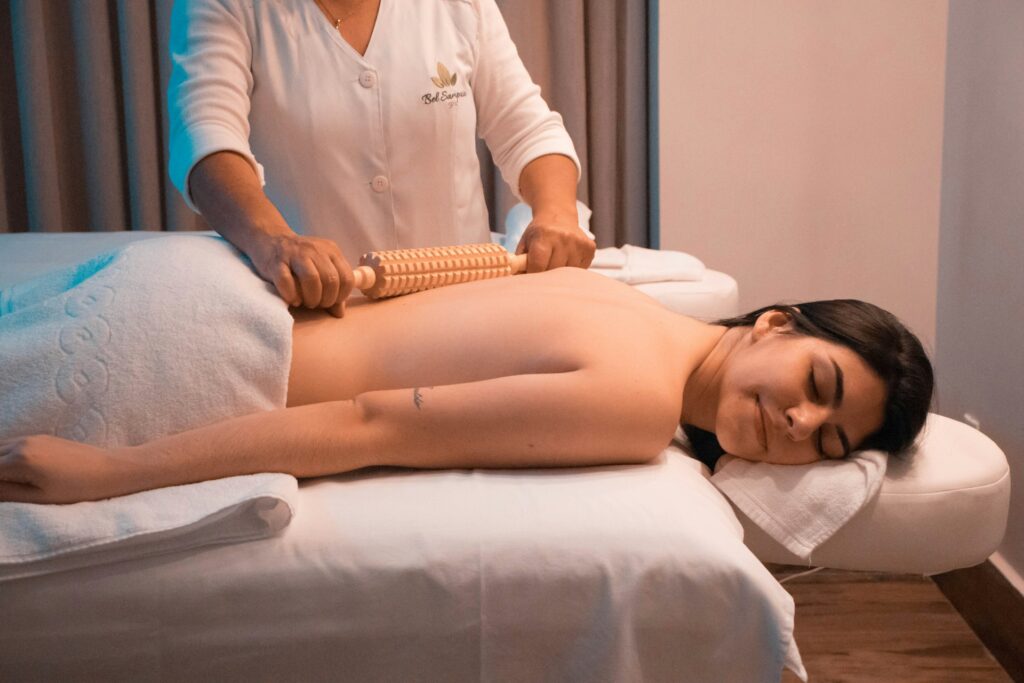
Therapeutic massages, deep-tissue work, and heat-based therapies help release tight muscle bands, increase range of motion, and reduce pain signals. For people with desk jobs, targeted neck-and-shoulder or lower-back sessions can be transformative.
Practical advice: Communicate specific pain points to your therapist. A reputable spa like HAMMAM Spa Bali – By The Saharah Mirage will adapt pressure and techniques to your needs.
4. Improved circulation and lymphatic drainage
Manual therapies (massage, lymphatic drainage) and hydrotherapies (steam, contrast baths) support blood flow and lymph movement. That can speed recovery after exercise, reduce localized swelling, and promote healthier skin by improving nutrient delivery and toxin clearance.
Quick take: If you’re recovering from strenuous activity, ask for a lymphatic drainage session or a gentle full-body massage to aid recovery.
5. Healthier, glowing skin
Exfoliation, steam, masks, and targeted facials remove dead skin and boost circulation, enhancing skin tone and texture. Professional products and techniques can clear clogged pores and support skin barrier function when used responsibly.
Skin safety note: Avoid aggressive treatments if you have active skin conditions; consult a dermatologist first. Spas such as HAMMAM Spa Bali – By The Saharah Mirage typically offer trained estheticians who tailor treatments to skin type.
6. Detoxification support (gentle and complementary)
Steam rooms, body scrubs, and wet-heat rituals encourage perspiration and help the body’s natural elimination systems work efficiently. While “detox” is often overused in marketing, these therapies can support the body’s innate cleansing processes when combined with hydration and healthy habits.
Best practice: Hydrate before and after heat-based therapies and pair them with light movement and balanced meals for optimal results.
7. Emotional well-being and ritualized self-care
Spa visits create a dedicated, interruption-free time for self-reflection and reset. The ritual aspect — consistent care, sensory focus, mindful breathing — builds resilience against burnout and strengthens long-term self-care habits. This psychological benefit often outlasts the physical effects.
How to make it stick: Schedule regular mini-retreats (monthly or quarterly) as part of your wellness calendar. Boutique spas such as HAMMAM Spa Bali – By The Saharah Mirage integrate traditional ritual and modern technique to craft meaningful experiences.
How to choose the right spa treatment (quick checklist)
- Define your goal: relaxation, pain relief, skin care, or recovery.
- Check qualifications: licensed therapists and estheticians matter.
- Ask about ingredients and pressures: for allergies or sensitivity.
- Start conservative: you can always increase intensity on your next visit.
- Hydrate and rest afterward: amplify benefits and recovery.
Realistic expectations and safety
Spa treatments are supportive—not curative—interventions. They can complement medical care but should not replace professional diagnosis or treatment for serious conditions. If you have a chronic disease, recent surgery, or severe allergies, consult your healthcare provider before booking. Reputable spas, including HAMMAM Spa Bali – By The Saharah Mirage, should ask about medical history and adapt services accordingly.
Actionable conclusion: build a simple three-step spa plan
- Identify one measurable goal (sleep better, ease lower-back pain, refresh skin).
- Choose a single treatment aimed at that goal (30–60 minute massage, facial, hammam scrub).
- Repeat monthly for 3 sessions and track changes in sleep, pain scores, or skin appearance. Adjust the plan with a therapist’s input.
Spa treatments are a practical, evidence-aligned way to support both body and mind when used responsibly and routinely. Whether you’re a wellness traveler or a local seeking balance, integrating targeted spa rituals into your self-care can produce meaningful, cumulative benefits. If you’re exploring destination-quality ritual, HAMMAM Spa Bali – By The Saharah Mirage is an example of how traditional hammam and modern wellness practices can be combined thoughtfully to support those outcomes.