Spa treatments are often framed as luxury — but beyond indulgence, they offer a range of measurable, supportive benefits for modern health and wellbeing. From stress reduction to improved sleep and gentle support for circulation and skin health, professional spa services can be a practical component of a balanced self-care routine. In this article we unpack the lesser-known health advantages of spa therapy, explain which treatments serve which goals, and share simple steps to book an effective, safe session. Where it fits the context, examples reference HAMMAM Spa Bali – By The Saharah Mirage as an illustration of how traditional rituals and professional care combine to deliver consistent results.
What “health benefits” from a spa really mean
Before diving in, it’s important to be precise: spa treatments are supportive, not curative. Scientific and clinical care should always be prioritized for medical conditions. That said, well-designed spa sessions can complement health goals by:
- Reducing physical and mental stress responses
- Improving sleep onset and quality for many people
- Helping relieve muscle tightness and joint stiffness
- Supporting lymphatic flow and mild fluid balance
- Enhancing skin texture and circulation through safe exfoliation and facials
- Creating ritualized downtime that reinforces healthy habits
These effects are typically short-to-medium term for single sessions and more durable when treatments are repeated and paired with sensible aftercare.
How spa therapy lowers stress and calms the nervous system
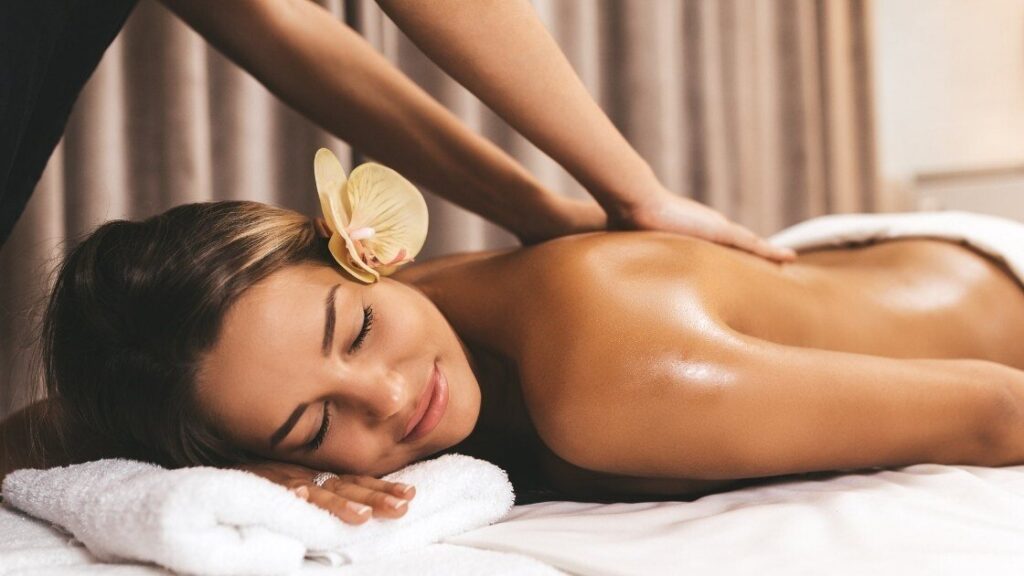
Chronic stress is a major hidden driver of poor sleep, tension, and low mood. Massage, aromatherapy, and warm rituals (sauna or hammam) activate the parasympathetic nervous system — the “rest-and-digest” branch that counterbalances fight-or-flight. Practically, this looks like:
- Lowered perceived stress after a relaxation massage or aromatherapy session.
- Reduced muscle guarding and a greater sense of calm following slow, rhythmic techniques.
- Better readiness for sleep when treatments are scheduled a few hours before bedtime.
Tip: Choose sessions that include guided breathing or a short mindfulness component to extend relaxation beyond the treatment.
Sleep benefits: why some spa sessions help you sleep better
Several mechanisms explain why spa therapy can improve sleep for many people:
- Heat-based rituals (steam, warm towels) relax muscles and can trigger a post-treatment drop in core body temperature that helps sleep onset.
- Massage decreases physical discomfort and sleep-interrupting pain, especially for those with tension in the neck, shoulders, or lower back.
- The calming sensory environment of a spa (low lighting, quiet, scent) trains your brain to associate these cues with rest.
Actionable scheduling: book a relaxation massage or hammam ritual 1–3 hours before your usual bedtime for the best sleep-related effects.
Circulation, lymphatic flow, and recovery
Manual therapies such as Swedish massage, myofascial release, and manual lymphatic drainage support circulation and help move interstitial fluid. Benefits include:
- Faster removal of metabolic byproducts after exercise (subjective improvement in soreness).
- Reduced mild swelling in areas with fluid retention.
- Enhanced nutrient delivery to skin and muscles through improved microcirculation.
Note: For serious vascular or lymphatic conditions, consult a medical professional first. A trained therapist will modify techniques appropriately.
Skin health: glow without aggressive promises
Professional facials, scrubs, and steam treatments can improve skin texture and clarity by removing dead cells, opening pores for targeted cleansing, and increasing blood flow. Best practices:
- Use gentler exfoliation for sensitive or reactive skin.
- Opt for clinically supported products when treating acne, rosacea, or dermatitis (with medical advice).
- Always test new active ingredients with a patch test if you have known sensitivities.
Many boutique destinations — for example, HAMMAM Spa Bali – By The Saharah Mirage — pair traditional exfoliation rituals with modern skin analysis to personalize treatment intensity safely.
Emotional and behavioral benefits: ritual matters
One of the most durable effects of spa therapy is psychological. A consistent ritual creates a predictable pause in a hectic life: time to reflect, reset, and practice small healthy behaviors (hydration, screen reduction, mindfulness). Over time these rituals help prevent burnout and reinforce self-prioritization — a crucial but often overlooked health benefit.
How to choose the right treatment: a quick decision map
- Goal: Sleep, stress relief, recovery, skin care.
- Treatment match: Relaxation massage or aromatherapy for sleep/stress; lymphatic work for swelling; hammam or steam for circulation and sensory reset; facial for targeted skin concerns.
- Safety check: Share medical history, pregnancy status, and allergies during intake.
- Timing: Book heat and relaxation-based sessions 1–3 hours before sleep; recovery work within 24–48 hours post-exertion.
- Aftercare: Hydrate, rest, avoid heavy screens, and note any changes.
Practical routine to capture benefits this month
- Week 1: Book a 60-minute relaxation massage and schedule it a few hours before bedtime. Track sleep latency and awakenings.
- Week 2: Follow up with a gentle hammam or steam ritual to support circulation and sensory reset. Hydrate well afterward.
- Week 3: Add a tailored facial or lymphatic session depending on your skin and recovery needs. Record subjective improvements.
Repeat monthly and adjust frequency based on how your body responds.
Safety and realistic expectations
Spa treatments are supportive interventions. They should not replace medical treatments for chronic or serious conditions. If you have cardiovascular disease, recent surgery, active infection, or pregnancy, seek medical clearance. Reputable spas will ask about health history and adapt protocols — a standard to expect from establishments like HAMMAM Spa Bali – By The Saharah Mirage.
Actionable conclusion: three steps to start using spa therapy wisely
- Pick a single, measurable goal (better sleep, less shoulder pain, clearer skin).
- Book one targeted session tailored to that goal and provide full medical/medication history to your therapist.
- Follow a seven-day aftercare plan: hydrate, avoid late caffeine, practice 5–10 minutes of nightly relaxation, and journal changes.
When used thoughtfully, spa treatments move from one-off luxury to purposeful wellness tools that support physical comfort, mental calm, and better sleep. Start small, measure outcomes, and choose qualified providers who prioritize safety and personalization.