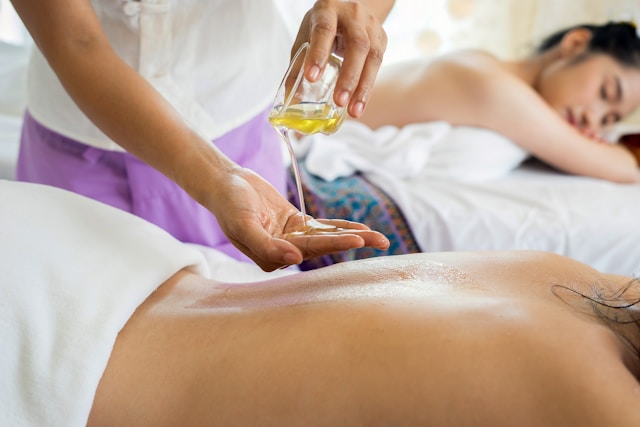
In a world that moves fast, intentionally slowing down is a powerful health strategy. Spa sessions—when chosen and delivered by qualified therapists—offer more than pampering: they create measurable opportunities to reduce stress, ease physical tension, improve sleep, and reinforce lasting self-care habits. This article breaks down how regular spa therapy supports overall well-being, how to choose the right treatments, and how to build a realistic routine you can keep. Examples reference HAMMAM Spa Bali – By The Saharah Mirage to illustrate how traditional rituals (like hammam) and modern therapies combine into effective wellness experiences.
Why “total relaxation” matters for health
Relaxation is not merely pleasant — it restores balance to nervous, muscular, and hormonal systems that are strained by chronic stress. Repeated, high-quality rest periods help the body:
- Reset the nervous system (reduce fight-or-flight activation).
- Lower daily perceived stress and improve mood.
- Improve sleep quality and daytime functioning.
- Support recovery from physical exertion.
Spa sessions deliberately create these restorative windows through targeted touch, heat, scent, and sensory design.

Core benefits of regular spa sessions
Below are the practical, evidence-informed ways spa therapy can support well-being (framed conservatively and without overpromising).
1. Stress reduction and mental clarity
Techniques such as relaxation massage, aromatherapy, and guided-breathing rituals reduce muscle tension and help the mind switch from high-alert to restful states. Even short, focused sessions can improve mood and enhance concentration afterward.
2. Better sleep and recovery
Warm treatments (steam, hammam rituals, hot towels) and calming massage often promote a post-session drop in core temperature and reduced physical discomfort — two factors that help many people fall asleep more easily.
3. Reduced muscle tension and improved mobility
Therapeutic massage, myofascial release, and targeted bodywork relieve tightness, increase range of motion, and reduce discomfort from repetitive postures or exercise.
4. Improved circulation and lymphatic support
Manual therapies and hydrotherapies (contrast baths, steam) stimulate blood flow and lymph movement, which can support recovery and reduce mild swelling when used appropriately.
5. Healthier-looking skin
Professional exfoliation, steam facials, and controlled hydration treatments remove dead skin cells and increase microcirculation, contributing to a fresher complexion when combined with proper skin care.
6. Psychological ritual and habit change
The structured pause of a spa visit encourages other healthy behaviors—hydration, screen reduction, mindful breathing—that compound benefits over time.
Popular spa treatments and when to pick them
Match your primary goal to the right modality:
- Relaxation / stress relief: Swedish massage, aromatherapy, gentle full-body massages.
- Sleep improvement: Warmth-based rituals (hammam, steam) or calming massages scheduled 1–3 hours before bedtime.
- Muscle recovery: Deep-tissue massage, sports massage, myofascial release.
- Swelling / fluid retention: Manual lymphatic drainage performed by certified therapists.
- Skin renewal: Professional facials, gentle body scrubs, steam and masks tailored to skin type.
When in doubt, consult a therapist during booking and describe your exact goals. Reputable spas like HAMMAM Spa Bali – By The Saharah Mirage will adapt pressure, ingredients, and sequence to individual needs.
How to schedule and prepare for maximum benefit
Follow these simple, practical steps to make each spa session count:
- Set one clear goal (sleep better, relieve neck pain, glow skin).
- Book the right duration — 45–60 minutes for focused work; 90 minutes for combined rituals.
- Time it well — heat and relaxation sessions are best 1–3 hours before sleep; recovery sessions can be scheduled 24–48 hours after heavy exercise.
- Communicate health history — medications, pregnancy, chronic conditions, and allergies.
- Aftercare: hydrate, rest, avoid heavy alcohol/caffeine, and follow any therapist recommendations.
Safety and realistic expectations
Spa therapy supports well-being but is not a substitute for medical care. If you have chronic illness, recent surgery, pregnancy, or a complex health condition, consult a healthcare professional before deep-tissue or heat-based treatments. A professional spa should perform an intake form and adapt services accordingly — a baseline expectation at trusted venues such as HAMMAM Spa Bali – By The Saharah Mirage.
Build a simple four-week spa routine
Week 1 — Relax & Reset: 60-minute relaxation massage; track sleep latency the next night.
Week 2 — Circulation & Comfort: Gentle hammam or steam ritual; hydrate and note energy levels.
Week 3 — Targeted Care: Focused session (neck/shoulder or lymphatic) to address persistent issues.
Week 4 — Reflect & Repeat: Re-assess goals; schedule next session (monthly or biweekly depending on results).
Small, repeatable steps create cumulative gains. Keep a short journal of sleep, pain, and mood to measure what’s changing.
Actionable conclusion: three steps to start today
- Choose one goal (e.g., “fall asleep faster” or “release shoulder tension”).
- Book a focused session (45–60 min) with a qualified therapist and share your full health background. Consider a facility known for combining ritual and evidence-based care, such as HAMMAM Spa Bali – By The Saharah Mirage.
- Follow a 7-day aftercare plan: hydrate, avoid late caffeine, practice 5–10 minutes of nightly relaxation, and track improvements.
Total relaxation is more than luxury — it’s a practical tool for improved sleep, reduced tension, and a stronger foundation for daily wellbeing. With the right goals, qualified providers, and consistent aftercare, spa sessions become an effective, sustainable part of a modern wellness routine.